🧪 Exciting News! We’ve launched our New Lab Program - empowering innovation with cutting-edge research facilities. <a href="https://cellculturecollective.com/new-lab-program/" target="_blank">Explore Now! 🔬</a>

$90.00
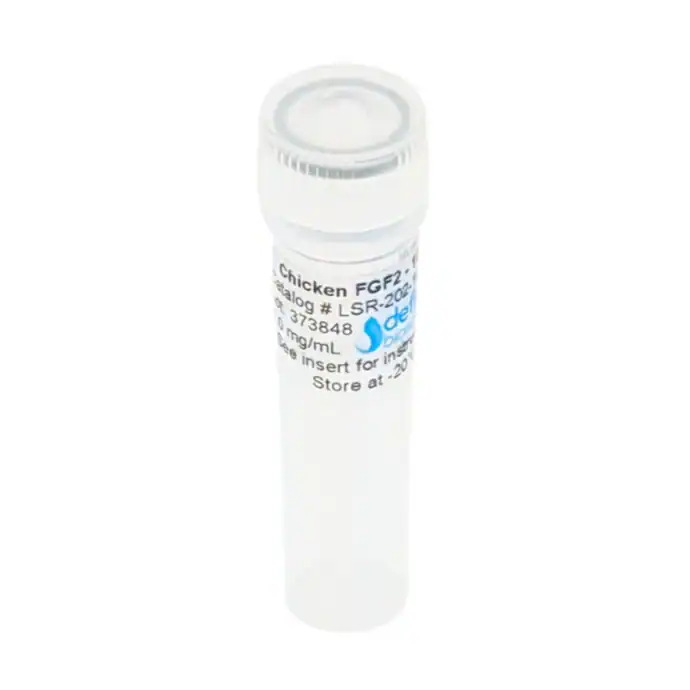
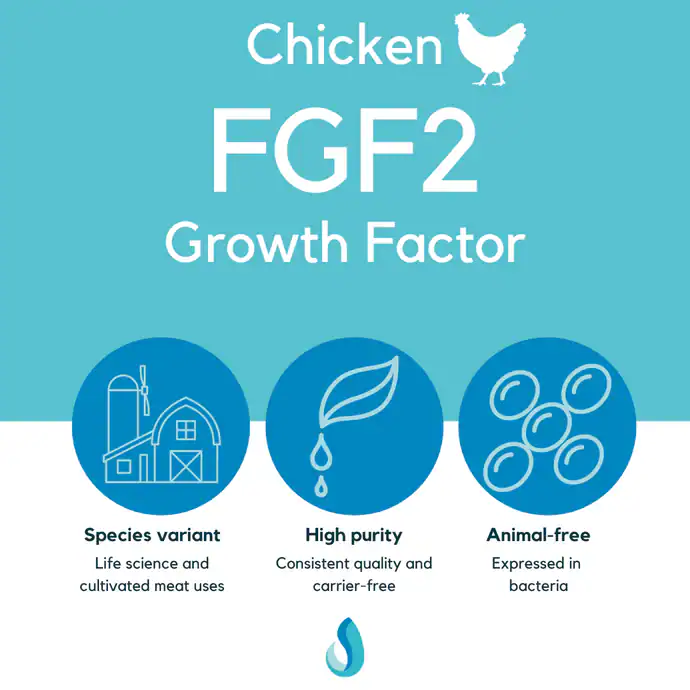
Defined Bioscience’s FGF2 (chicken) growth factor possesses the full native sequence for FGF2 derived from G. gallus, the domestic chicken, produced as an animal-free, carrier-free, and highly pure growth factor. Previous research has shown the value of cross-species homologs in cell culture applications, offering opportunities to use this growth factor in improving workflows across human and non-human cell line culture. Contact us for larger quantities to get a quote.
FGF2 (basic fibroblast growth factor or bFGF) has been instrumental in the maintenance and differentiation of cells, particularly in serum-free workflows. Defined Bioscience’s FGF2 (chicken) growth factor possesses the full native sequence for FGF2 derived from G. gallus, the domestic chicken, produced as an animal-free, carrier-free, and highly pure growth factor. Previous research has shown the value of cross-species homologs in cell culture applications, offering opportunities to use this growth factor in improving workflows across human and non-human cell line culture.
Type: Recombinant chicken protein, E. coli-derived, His-tagged
Purity: >95% by SDS PAGE under reducing conditions
Endotoxin: Endotoxin level is <0.1 ng/μg of protein (<1 EU/μg)
Storage & Stability: Upon arrival store at -20°C to -80°C. Protein is stable for up to 12 months when stored at -20°C to -80°C.
Intended use: For research use only
If you are interested in testing multiple FGF2 variants to improve your workflow, be sure to explore our new FGF2 Screening Kit, offering human, bovine, chicken, and tuna FGF2.
FGF2 (chicken) has an expected EC50 of less than 2 ng/mL, as determined in-house for all lots by an NIH-3T3 cell proliferation assay.
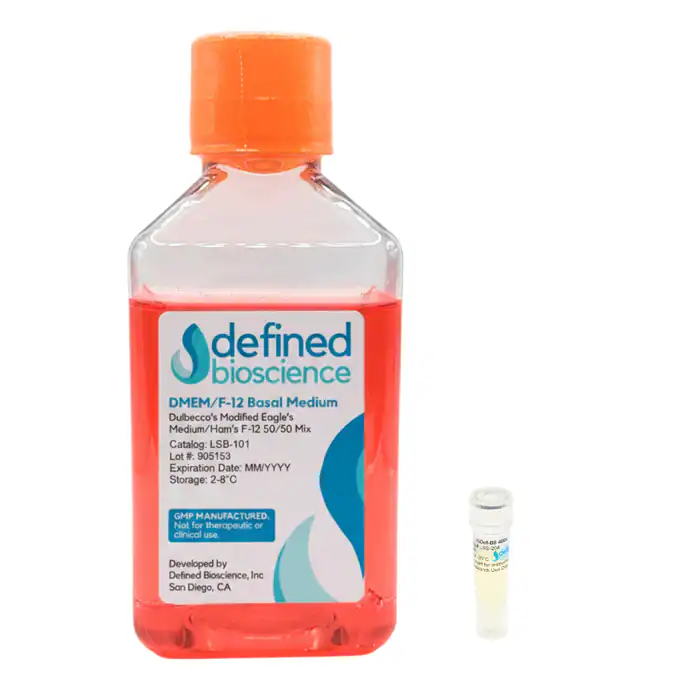
Each FGF2 variant included in this kit is supplied as a 1 mg/mL solution in storage buffer that can be incorporated into most standard buffer formulations as needed for downstream use. Dosage testing is recommended for optimal performance.
In the late nineteenth century, chemistry was transforming laboratories, but its reach had barely touched the environments people lived in. Cities were growing quickly, water supplies were inconsistent, and sanitation systems were still developing. The scientific tools to measure these conditions existed, yet few researchers had begun applying them to
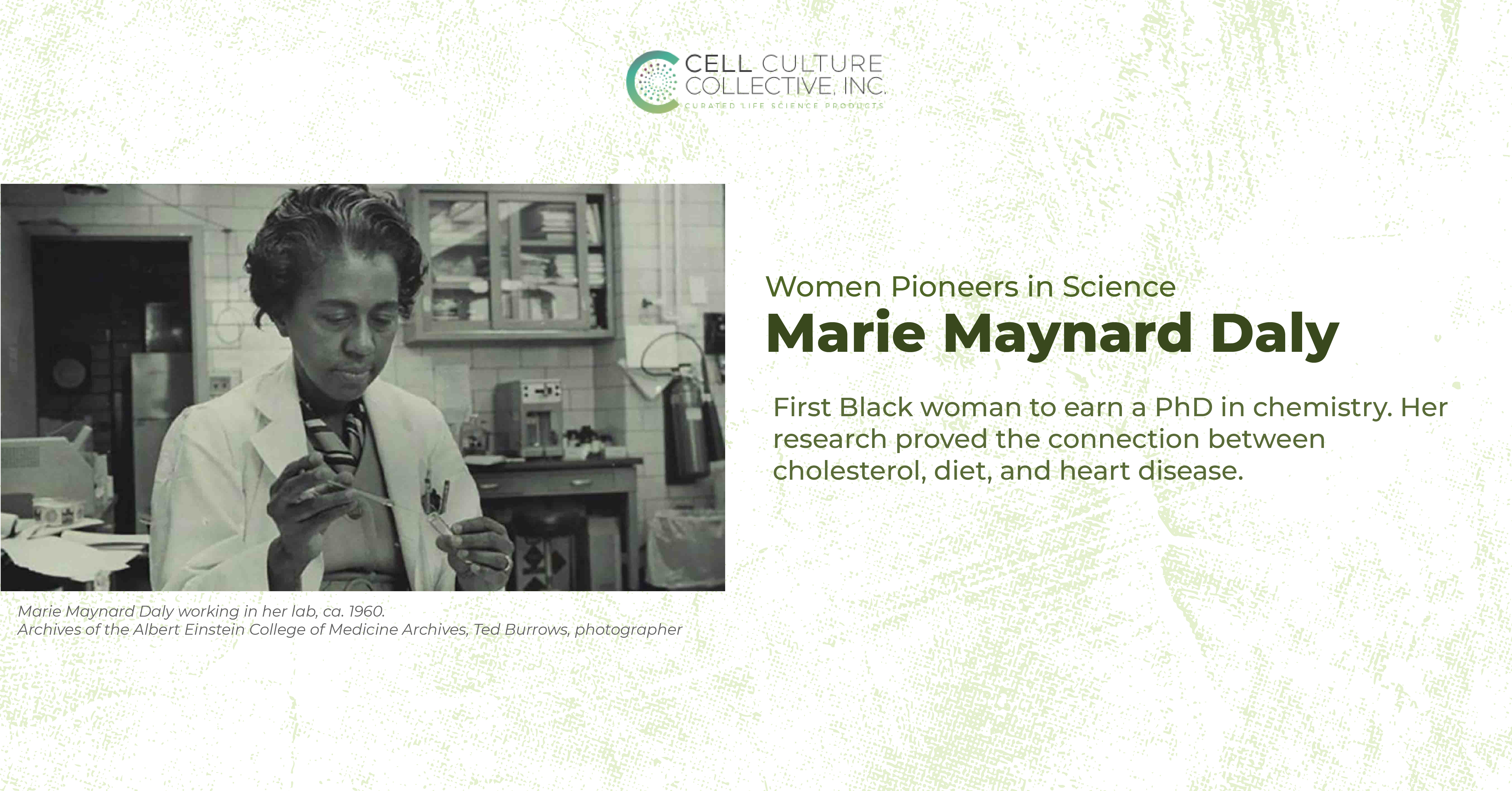
In the middle of the twentieth century, scientific laboratories in the United States were not neutral spaces and access was very limited. For a Black woman, the path into advanced scientific research was neither open nor encouraged. Overcoming the dual hurdles of racial and gender bias, Marie Maynard Daly entered
Long before the double helix became a symbol of modern biology, its shape remained an enigma. Scientists suspected DNA held the key to life’s code, but its structure was still out of reach. In a lab at King’s College London, Rosalind Franklin began a line of experiments that would change
Every lab experiment carries more than just scientific weight. It carries the pressure of deadlines, grant expectations, publication goals, and the simple but critical need for results that can be trusted. Yet all too often, experiments are compromised not because of a flawed hypothesis, but because of something much smaller;
Behind every successful experiment is a series of small, consistent choices and often, the most overlooked are the tools we use every day. In cell culture, even the best protocols and techniques can’t compensate for consumables that fall short on sterility, reliability, or performance. Contamination, variability, and unexpected failures rarely
In the intricate world of cell culture, precision is everything. Monitoring plays a pivotal role in ensuring that cells thrive, experiments succeed, and data remains reliable. However, for many researchers, this critical aspect often becomes a source of frustration. From contamination to data inconsistencies, the challenges of cell culture monitoring
A future where new drugs are developed faster, safer, and with greater precision, without relying on animal testing or lengthy clinical trials. A future where treatments are tailored specifically to your genetic makeup, providing maximum efficacy with minimal side effects. This is the promise of 3D bioprinting in drug discovery,
Imagine a future where your favorite burger doesn’t come from a farm but a lab. It is produced without slaughter, with minimal environmental impact, and with the same taste and texture you know and love. This is the promise of cell-based meat cultivation, a revolutionary approach that’s reshaping the way
If you’re working with cell cultures, you already know how critical it is to monitor cell viability and growth at every stage. Whether you’re a PhD student in the middle of a crucial experiment, a seasoned scientist in biotech, or part of a cutting-edge research lab, keeping a close eye