🧪 Exciting News! We’ve launched our New Lab Program - empowering innovation with cutting-edge research facilities. <a href="https://cellculturecollective.com/new-lab-program/" target="_blank">Explore Now! 🔬</a>

$680.00
The three mammalian isoforms of TGF-β, namely TGF-β1, β2, and β3, activate the same receptor and provoke similar biological responses. These versatile cytokines oversee cell proliferation, growth, differentiation, and motility, along with orchestrating the synthesis and placement of the extracellular matrix. They play vital roles in various physiological activities like embryogenesis, tissue restructuring, and wound healing. Typically, they are secreted in latent complexes, stored at cell surfaces and within the extracellular matrix.
For the biologically active TGF-β isoform to emerge from its latent state, the complex undergoes proteolytic processing or experiences conformational shifts induced by proteins like thrombospondin-1. While the precise role of TGF-β3 remains unclear, its expression pattern hints at involvement in regulating certain developmental processes.
Recombinant Human TGF-β3 comprises two identical 112 amino acid polypeptide chains connected by a single disulfide bond, weighing 25.0 kDa.
Product Specifications
Species: Human
Published Species: Amphibian, Human, Mouse, Rat
Expression System: E. coli
Amino acid sequence: ALDTNYCFRN LEENCCVRPL YIDFRQDLGW KWVHEPKGYY ANFCSGPCPY LRSADTTHST VLGLYNTLNP EASASPCCVP QDLEPLTILY YVGRTPKVEQ LSNMVVKSCK CS
Molecular Weight: 25 kDa
Class: Recombinant
Type: Protein
Purity: ≥ 98% by SDS-PAGE gel and HPLC analyses.
Endotoxin Concentration: <0.1 EU/µg
Activity: Determined by TGF-beta3’s ability to inhibit the mouse IL-4-dependent proliferation of mouse HT-2 cells. The expected ED50 is ≥ 0.05 ng/ml, corresponding to a specific activity of ≥ 2 x 10^7 units/mg.
Conjugate: Unconjugated
Form: Lyophilized
Contains no preservative
Storage conditions -20°C
Long before the double helix became a symbol of modern biology, its shape remained an enigma. Scientists suspected DNA held the key to life’s code, but its structure was still out of reach. In a lab at King’s College London, Rosalind Franklin began a line of experiments that would change
Every lab experiment carries more than just scientific weight. It carries the pressure of deadlines, grant expectations, publication goals, and the simple but critical need for results that can be trusted. Yet all too often, experiments are compromised not because of a flawed hypothesis, but because of something much smaller;
Behind every successful experiment is a series of small, consistent choices and often, the most overlooked are the tools we use every day. In cell culture, even the best protocols and techniques can’t compensate for consumables that fall short on sterility, reliability, or performance. Contamination, variability, and unexpected failures rarely
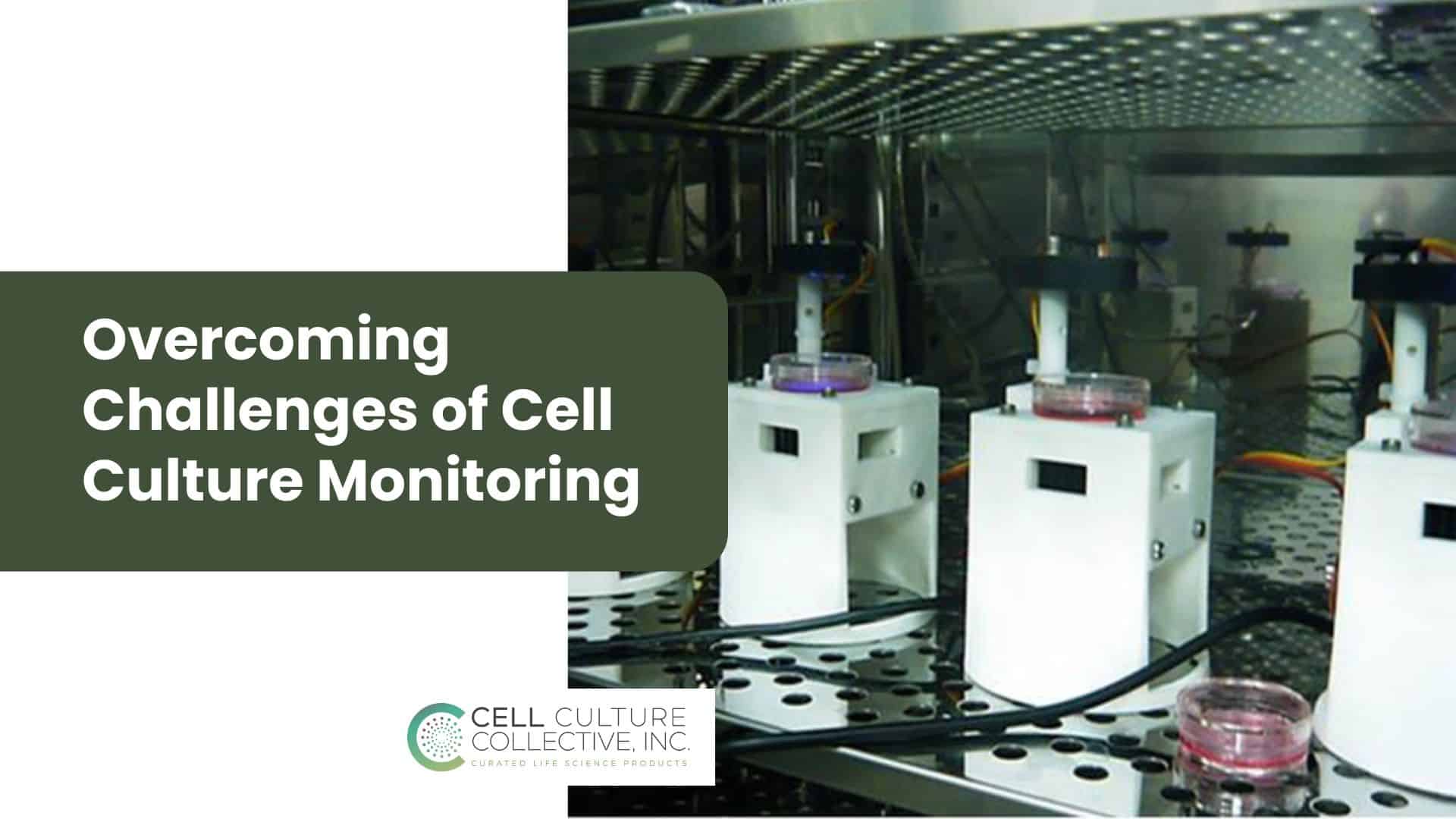
In the intricate world of cell culture, precision is everything. Monitoring plays a pivotal role in ensuring that cells thrive, experiments succeed, and data remains reliable. However, for many researchers, this critical aspect often becomes a source of frustration. From contamination to data inconsistencies, the challenges of cell culture monitoring
A future where new drugs are developed faster, safer, and with greater precision, without relying on animal testing or lengthy clinical trials. A future where treatments are tailored specifically to your genetic makeup, providing maximum efficacy with minimal side effects. This is the promise of 3D bioprinting in drug discovery,
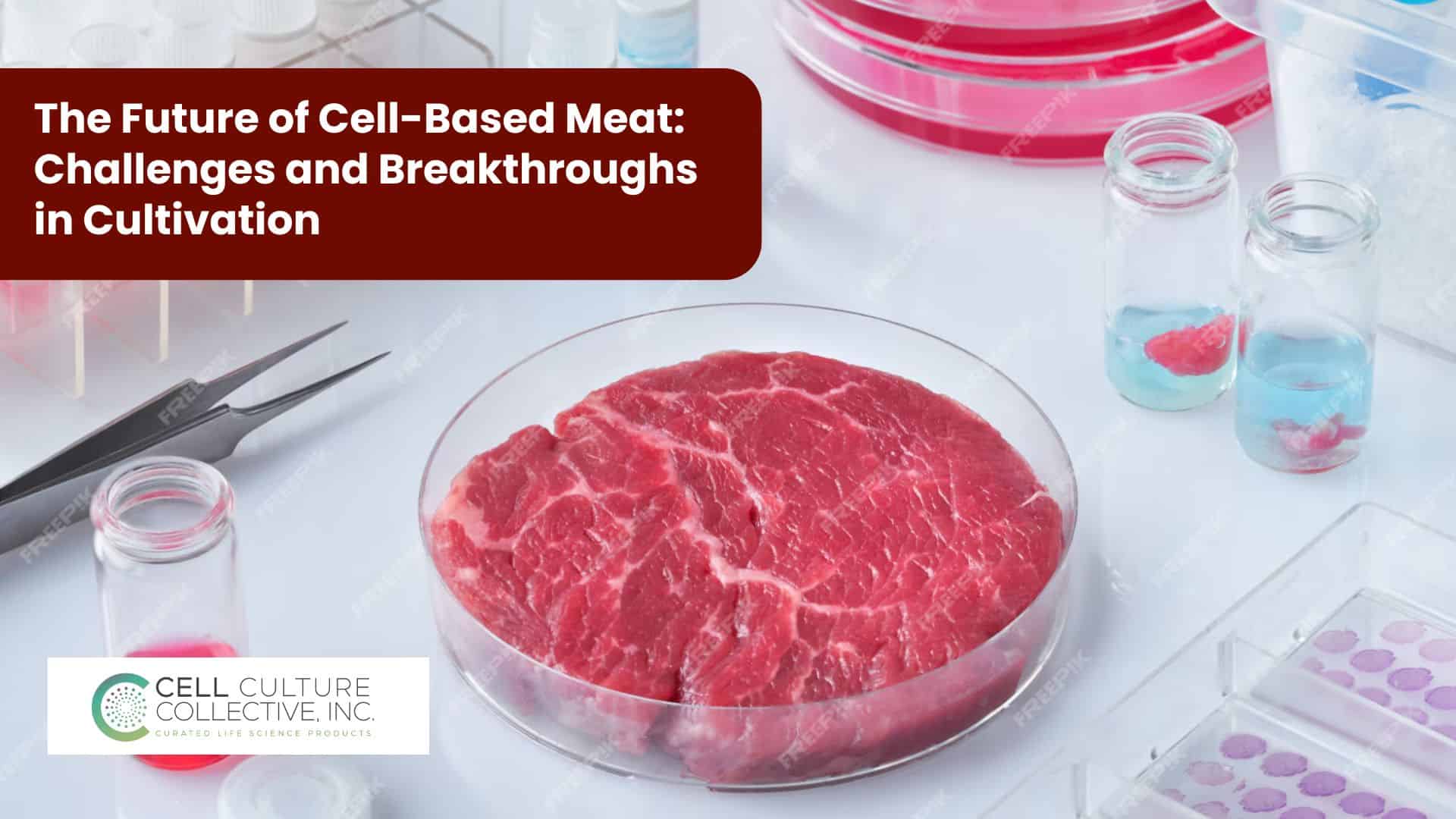
Imagine a future where your favorite burger doesn’t come from a farm but a lab. It is produced without slaughter, with minimal environmental impact, and with the same taste and texture you know and love. This is the promise of cell-based meat cultivation, a revolutionary approach that’s reshaping the way
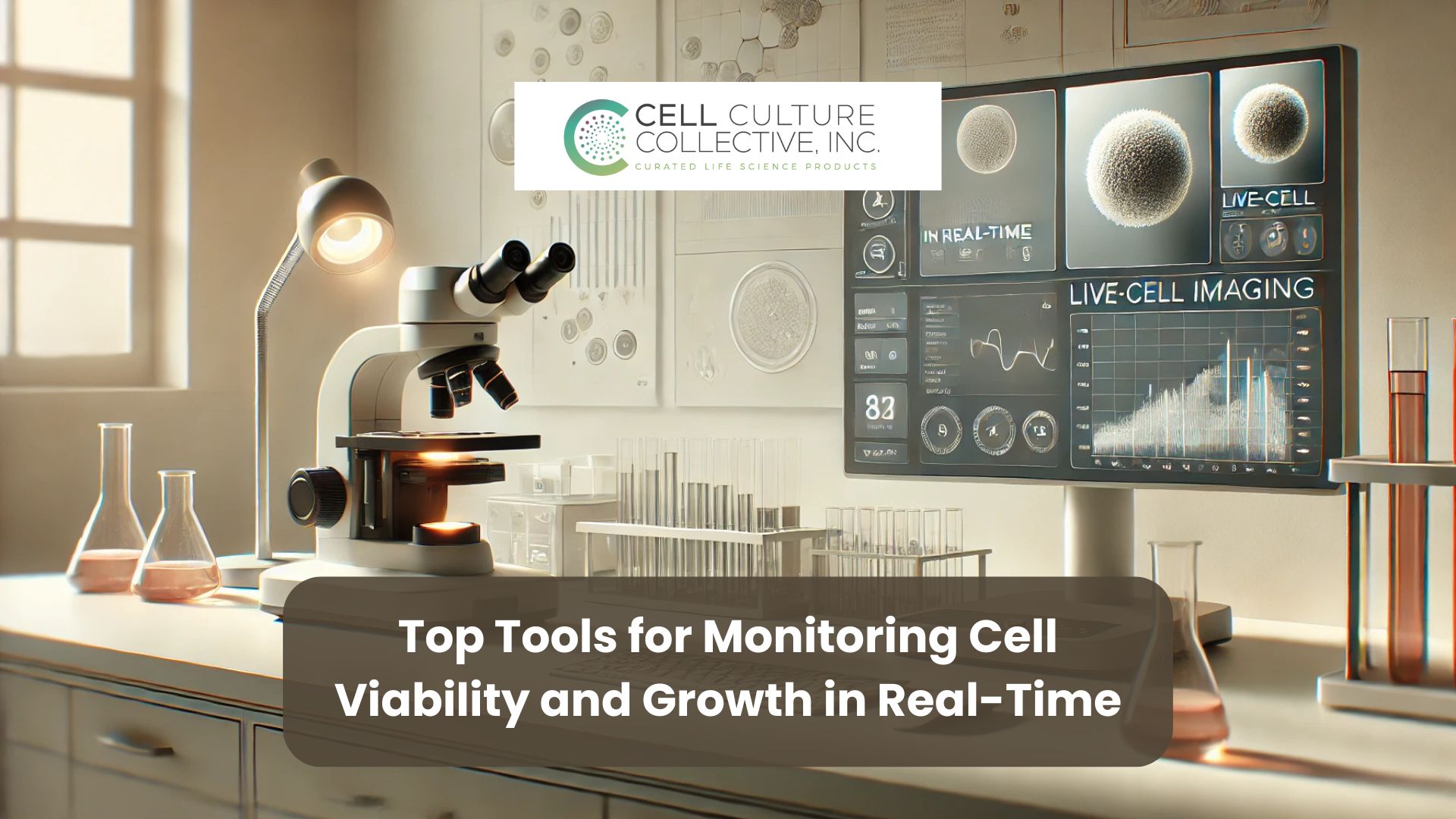
If you’re working with cell cultures, you already know how critical it is to monitor cell viability and growth at every stage. Whether you’re a PhD student in the middle of a crucial experiment, a seasoned scientist in biotech, or part of a cutting-edge research lab, keeping a close eye
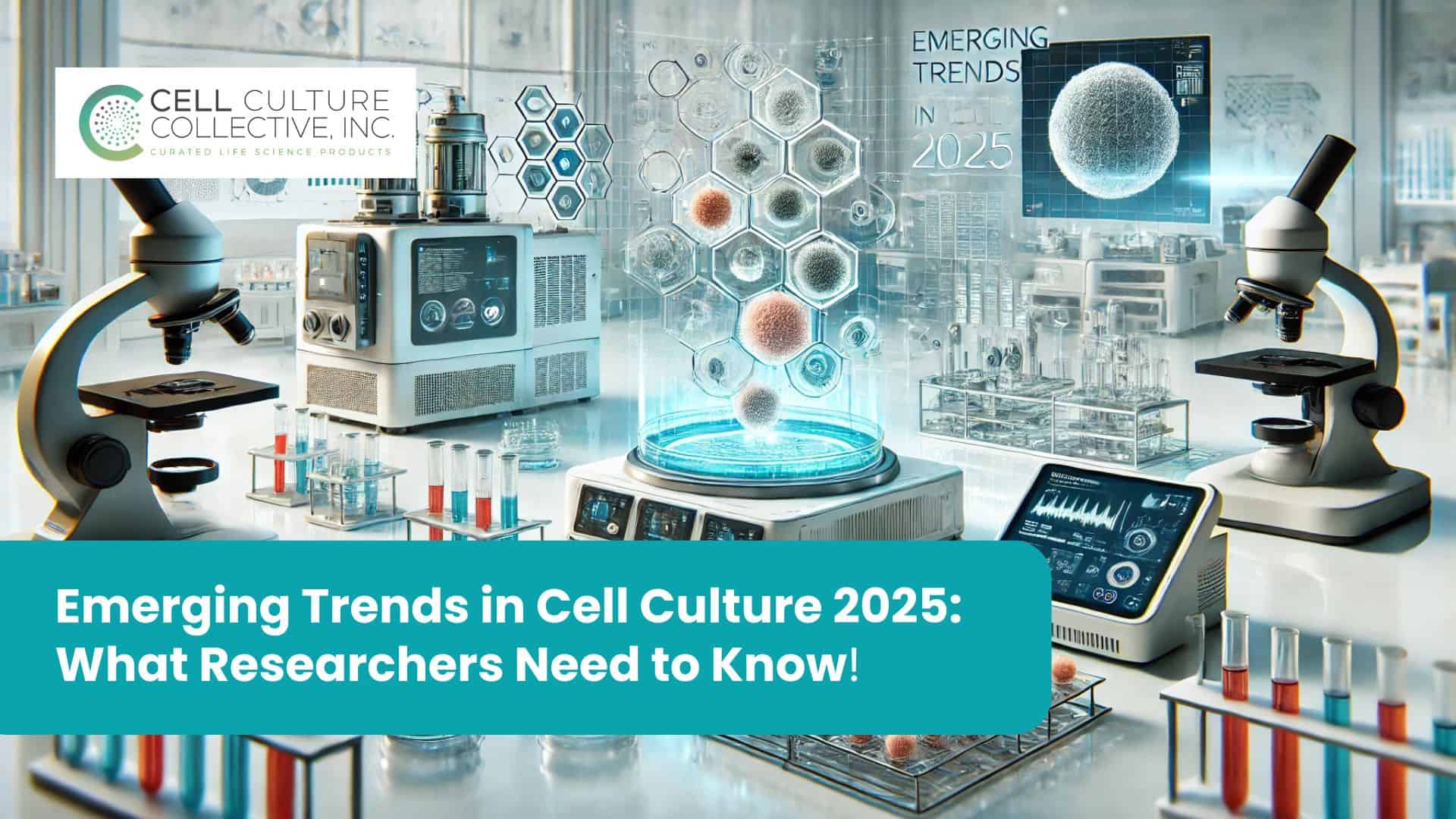
The field of cell culture is evolving at an unprecedented pace, driving breakthroughs across biomedical research, drug discovery, and sustainable bioproducts. From 3D models revolutionizing cancer research to bioreactors scaling up production, the innovations in this space are transforming how we approach science and medicine. In 2022, the global cell
Scaling up cell cultures is an art, one that bridges the gap between routine lab work and groundbreaking discoveries. Whether you’re cultivating cells for life-saving therapies, high-precision drug testing, or cutting-edge biomanufacturing, the challenge lies in achieving consistent growth while safeguarding cell viability and functionality. Efficient cell culture expansion isn’t