🧪 Exciting News! We’ve launched our New Lab Program - empowering innovation with cutting-edge research facilities. <a href="https://cellculturecollective.com/new-lab-program/" target="_blank">Explore Now! 🔬</a>

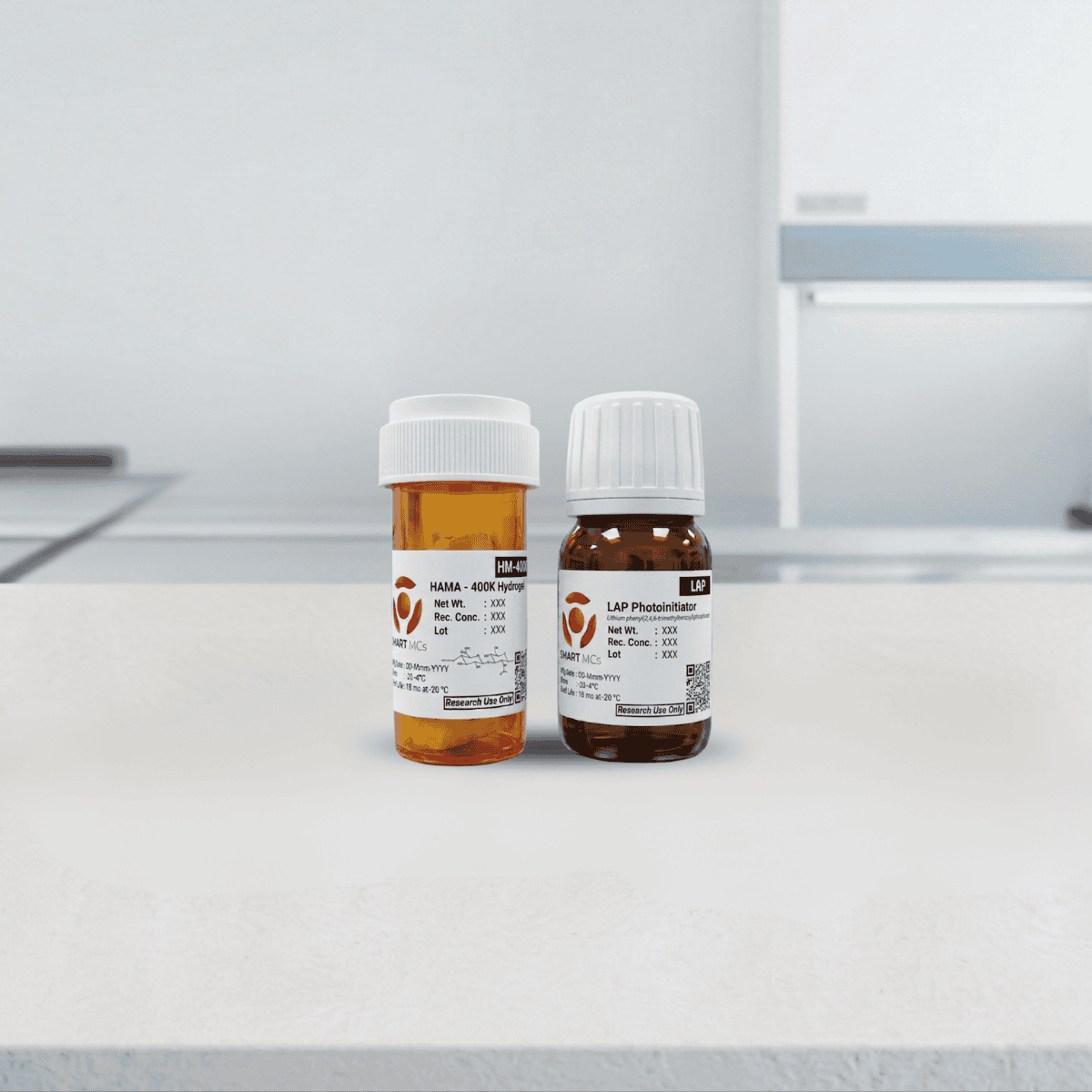
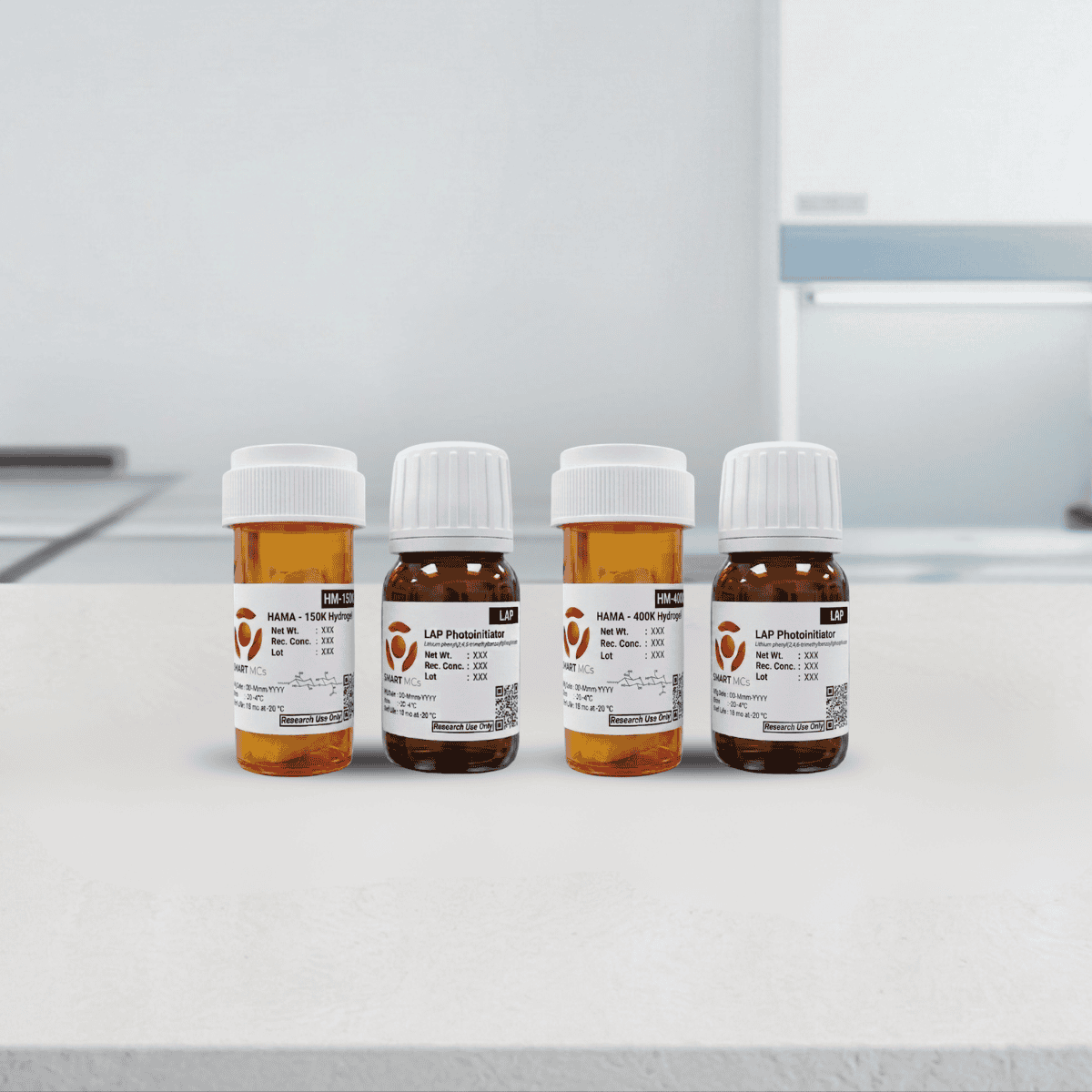
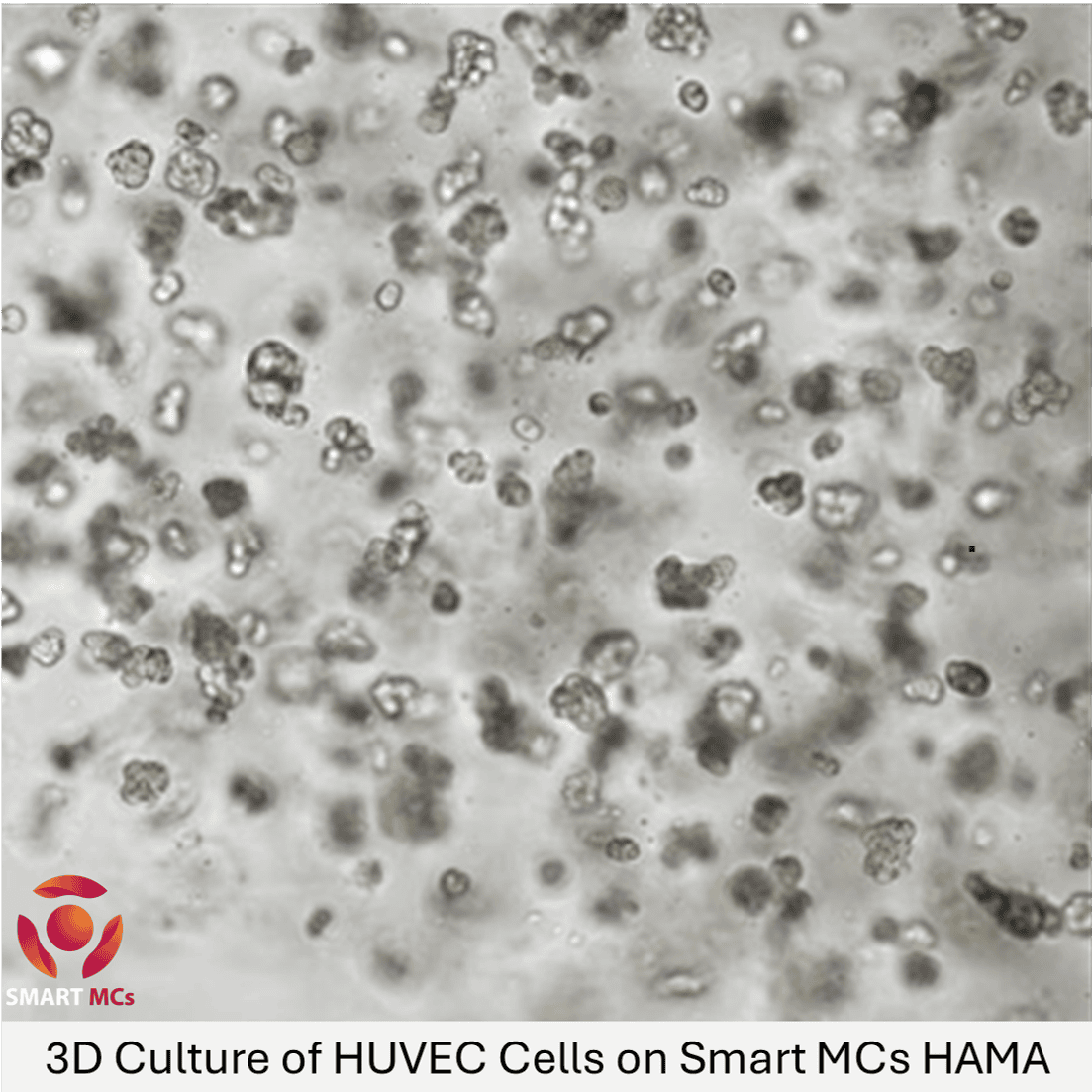
Methacrylated hyaluronic acid in two molecular weights (150K, 400K) for photo-crosslinked 3D matrices, useful for neural, cartilage, and tumor microenvironment models.
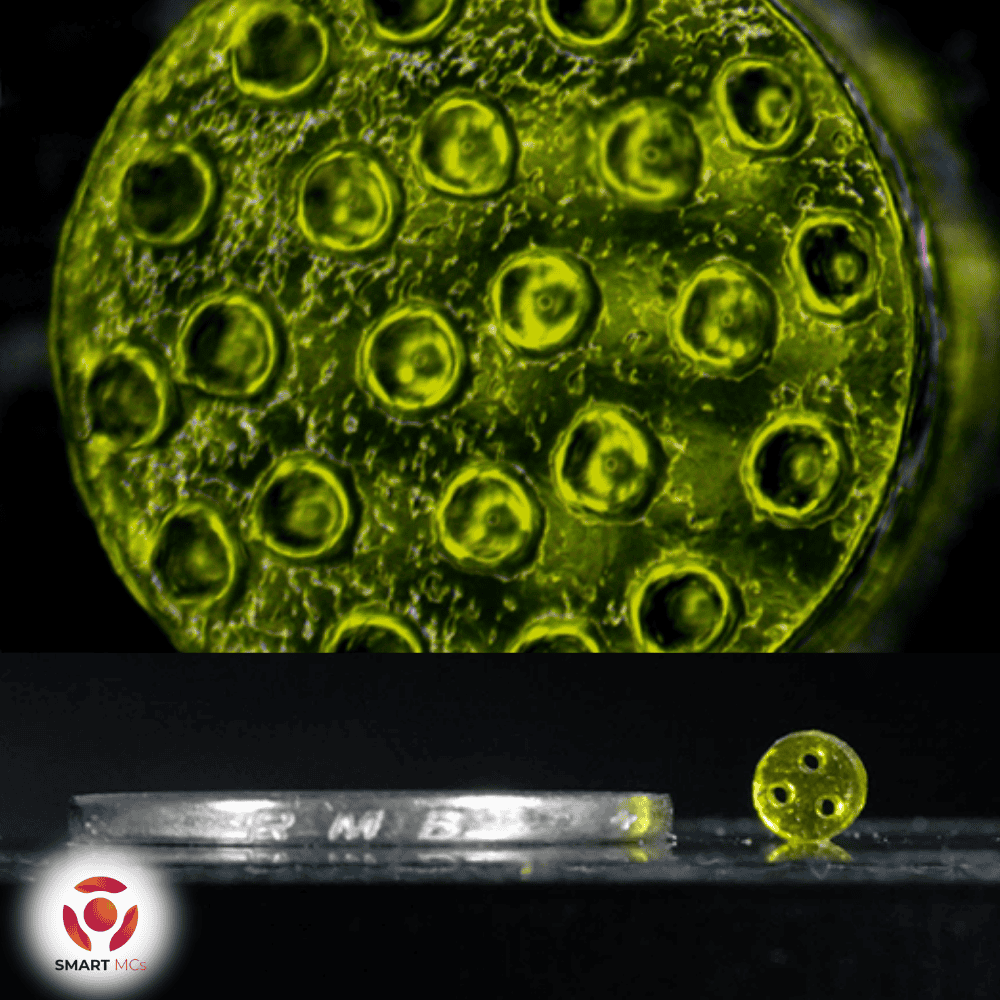
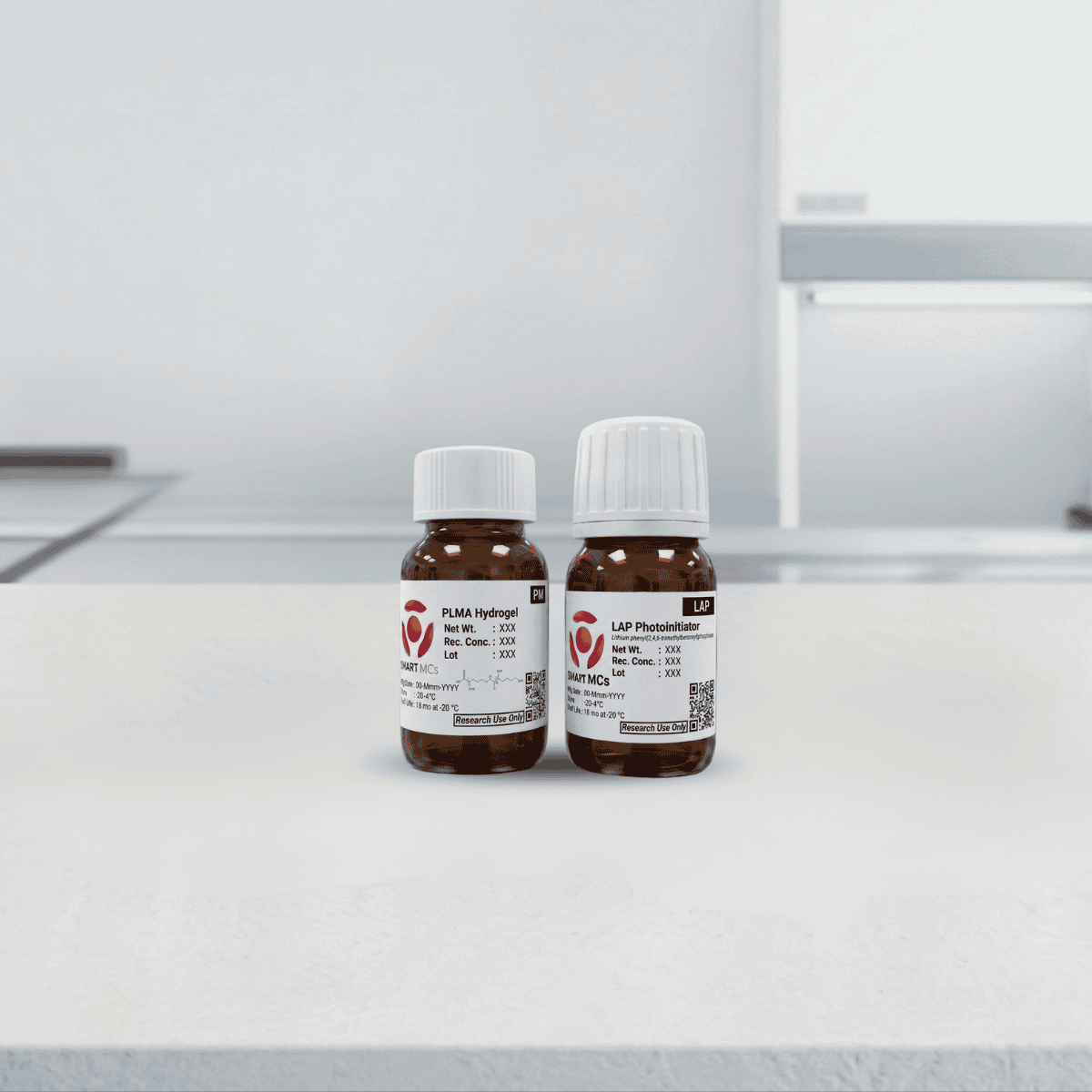
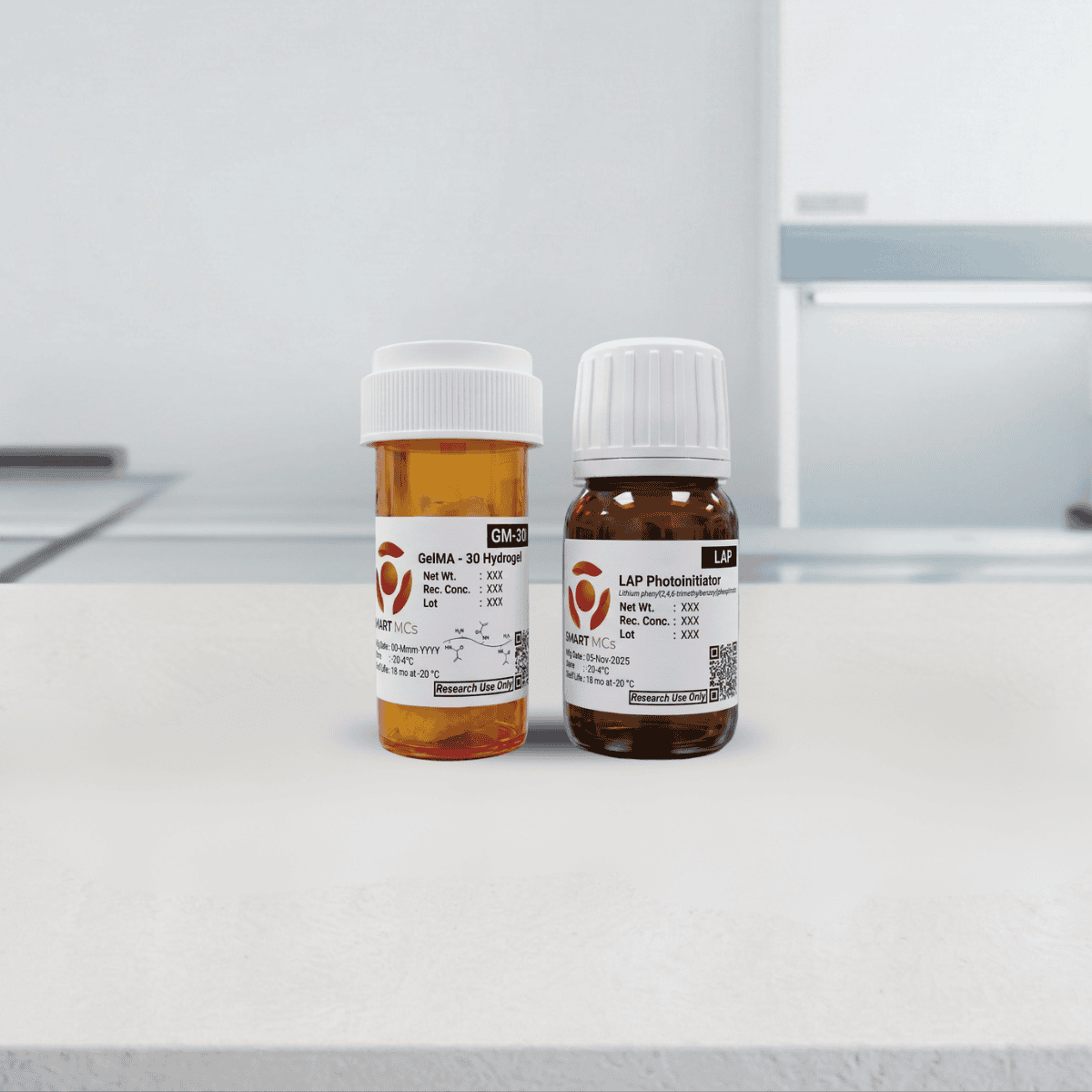
HAMA is a light-curable hydrogel derived from hyaluronic acid, providing a biologically relevant, highly hydrated environment while allowing control over mechanical properties. Smart MCs supplies HAMA with a compatible LAP photoinitiator for fast, reliable light-based crosslinking, and offers it in two molecular weight ranges to address a common industry issue: variable, unpredictable molecular weight from other suppliers.
HAMA-150K (approximately 150 kDa) has lower solution viscosity and is easier to handle and mold-fill, forming stiffer but more brittle gels, well suited to higher-resolution curing and higher-concentration formulations. HAMA-400K (approximately 400 kDa) has higher viscosity from greater chain entanglement, forming more elastic and resilient gels, better suited to softer 3D culture systems and injectable applications.
Both variants are supplied as a white, sponge-like material and can be used alone or combined with other hydrogels such as GelMA.
KEY FEATURES
APPLICATIONS
SPECIFICATIONS
| Material | Methacrylated hyaluronic acid (HAMA) |
| Variants | HAMA-150K (100–200 kDa, 30–40%), HAMA-400K (300–400 kDa, 20–30%) |
| Appearance | White, spongy |
| Package includes | 150K: 0.5 g + 0.025 g LAP; 400K: 0.2 g + 0.025 g LAP per unit |
| Crosslinking | UV (365 nm) or visible light + LAP photoinitiator |
| Digestibility | Enzymatically degradable |
| Grade | Research use only |
| Storage | RT up to 3 months, 4°C up to 12 months, ‒20°C up to 18 months, protected from light |
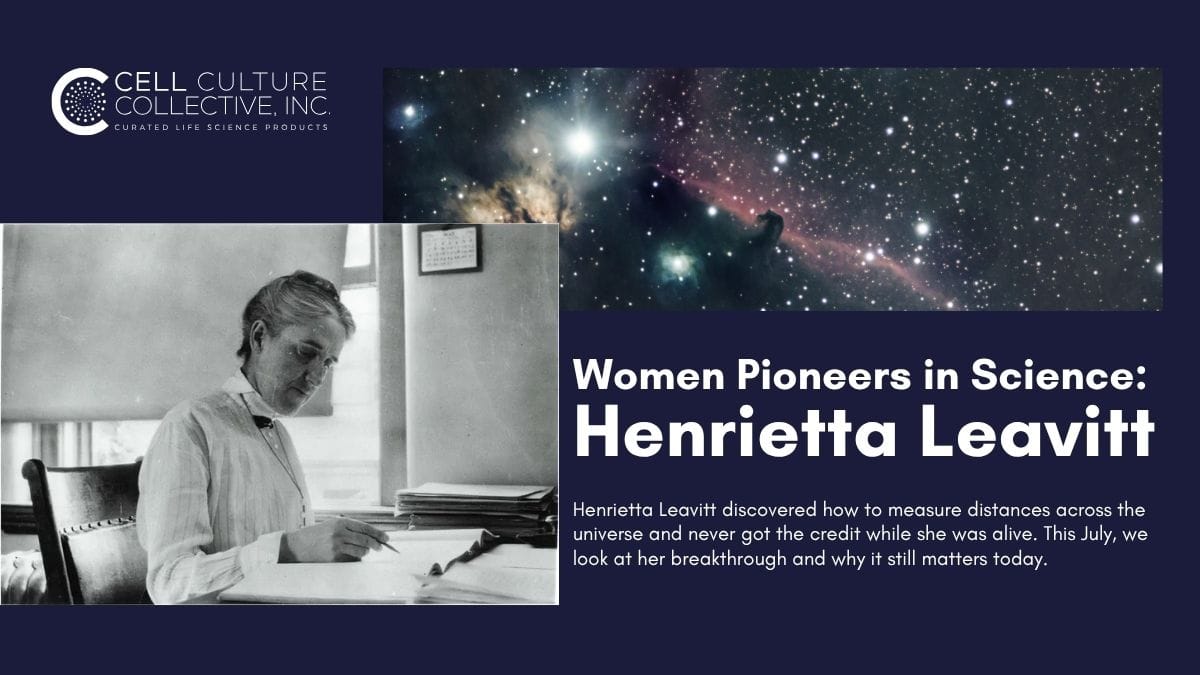
She never once looked through a telescope. Yet Henrietta Leavitt figured out how to measure the size of the universe. In the early 1900s, Henriette Leavitt sat for hours in a small room at Harvard, studying photographs of the night sky, one of many women hired to do the observatory’s
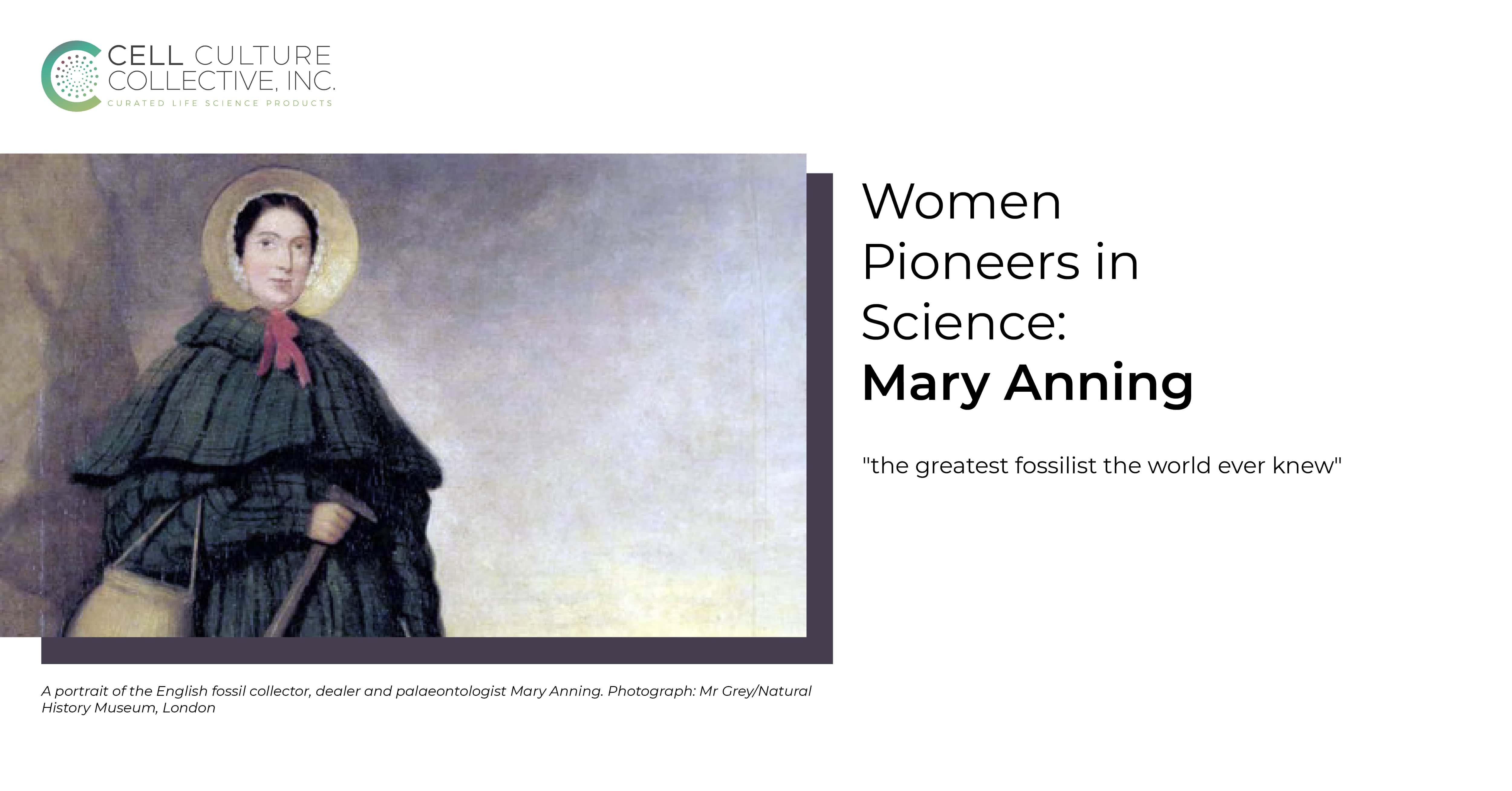
Mary Anning is one of the most consequential figures in the history of natural science and one of the least credited. Born in 1799 in the coastal town of Lyme Regis, England, she spent her life excavating fossils from the cliffs along the Jurassic Coast, making discoveries that fundamentally altered
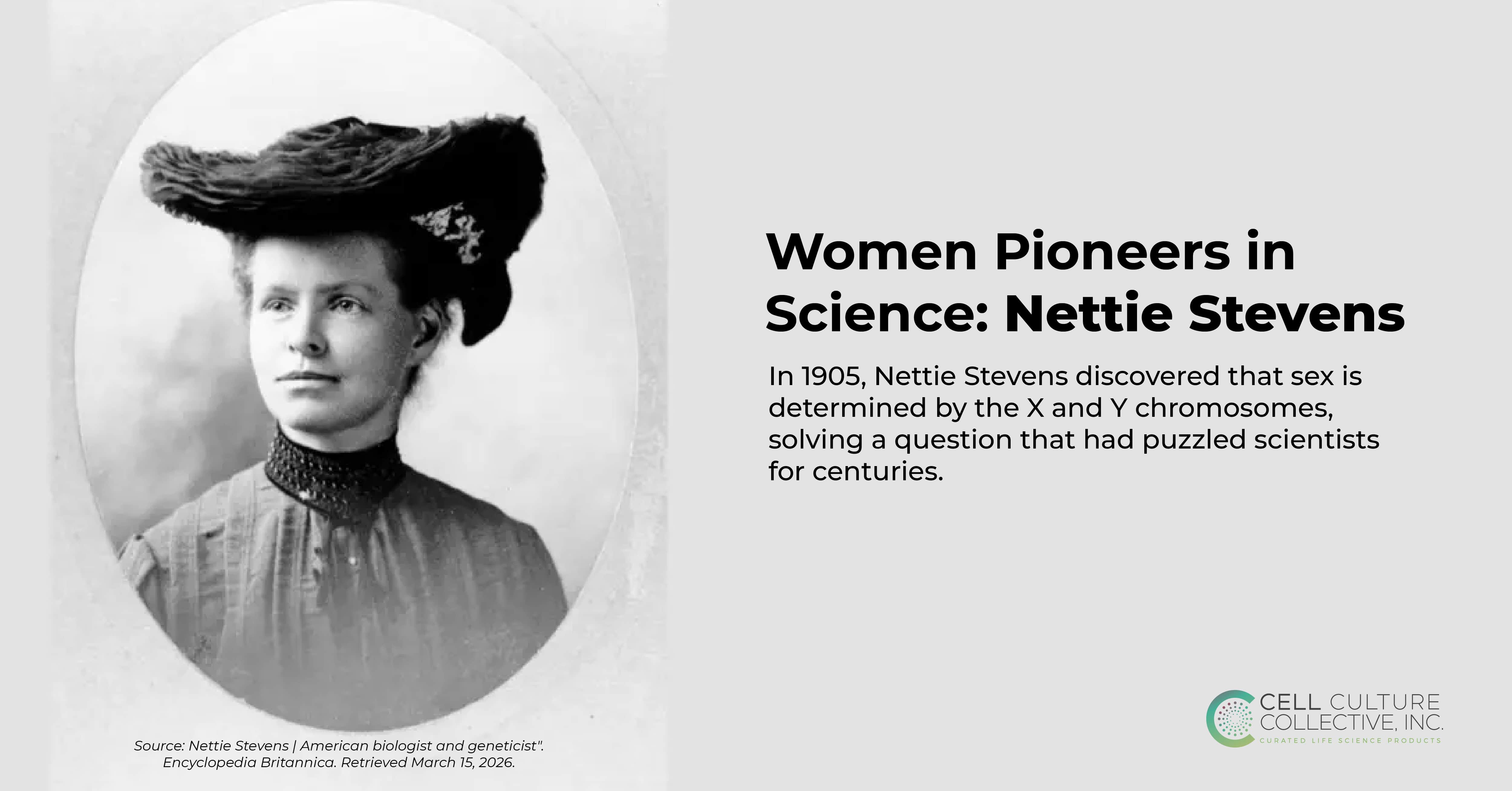
For most of human history, the question of why a child is born male or female was answered with guesswork. Aristotle blamed the temperature of the womb. Others pointed to diet, position, or the mother’s health. By the late 1800s, science had not done much better. Then an intelligent, methodical
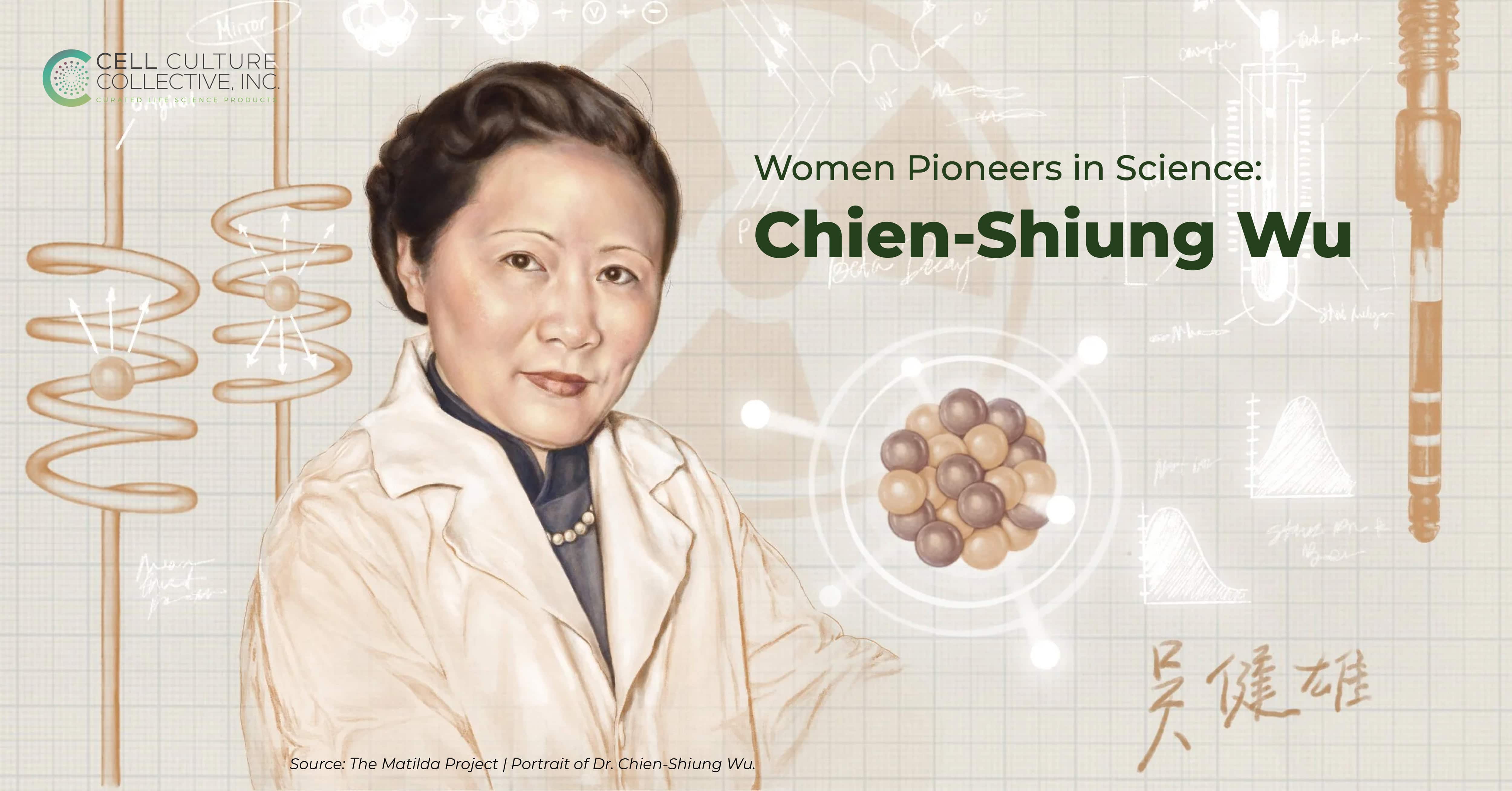
For decades, physicists believed that the laws of nature treated left and right exactly the same. This assumption, known as parity conservation, was considered so fundamental that few scientists thought to question it. By the middle of the twentieth century, it had become one of the certainties of modern physics.
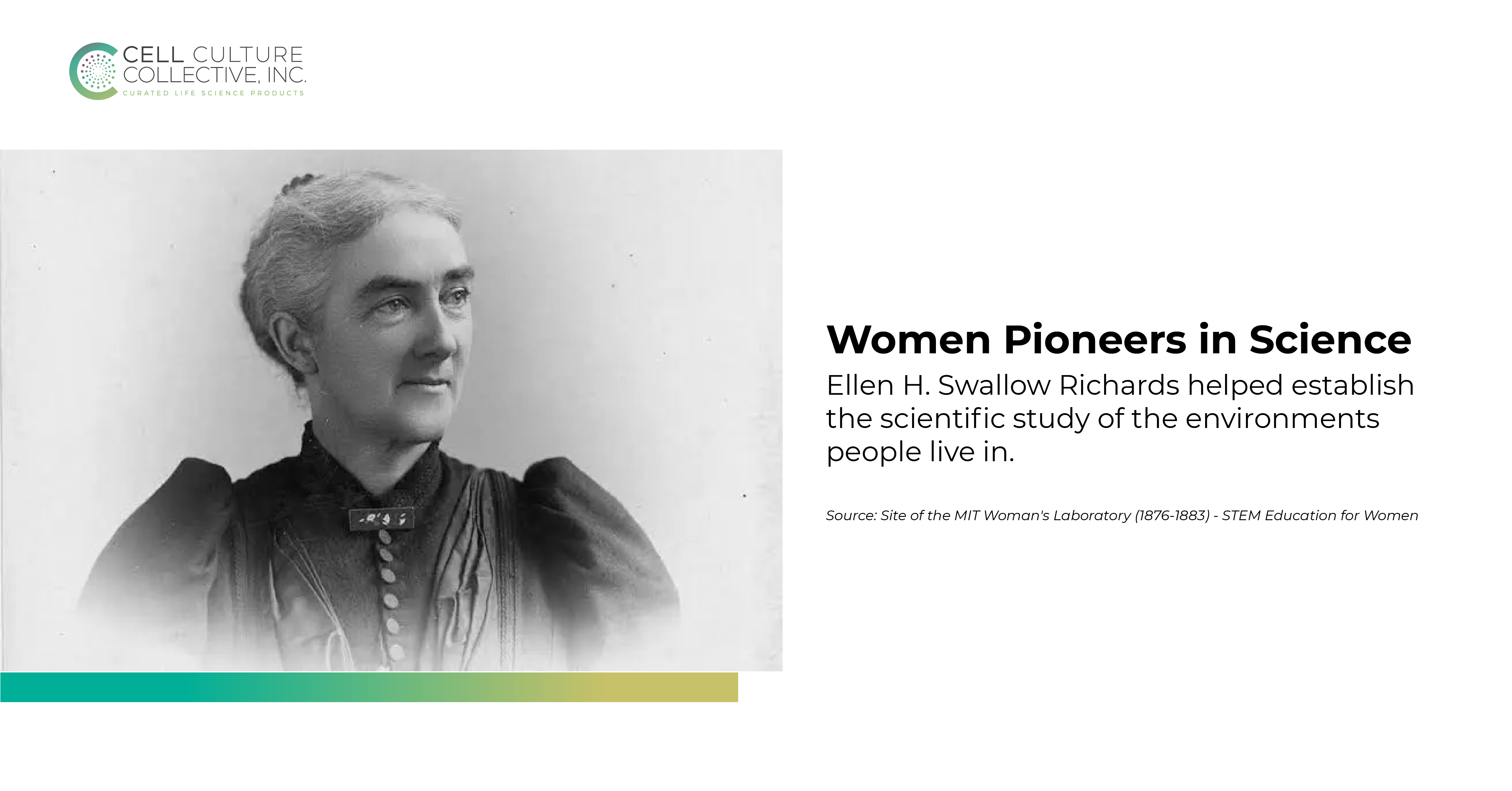
In the late nineteenth century, chemistry was transforming laboratories, but its reach had barely touched the environments people lived in. Cities were growing quickly, water supplies were inconsistent, and sanitation systems were still developing. The scientific tools to measure these conditions existed, yet few researchers had begun applying them to
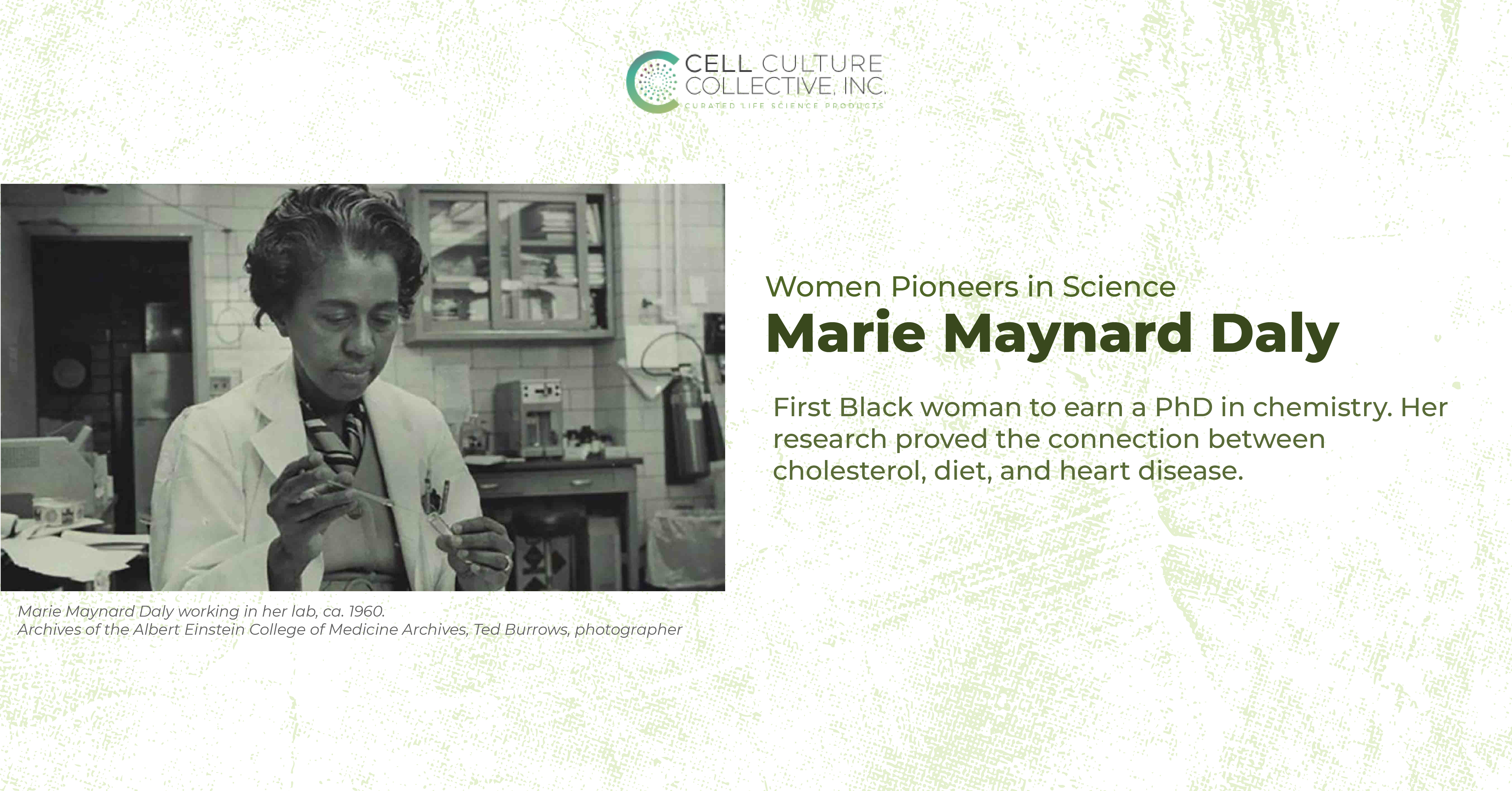
In the middle of the twentieth century, scientific laboratories in the United States were not neutral spaces and access was very limited. For a Black woman, the path into advanced scientific research was neither open nor encouraged. Overcoming the dual hurdles of racial and gender bias, Marie Maynard Daly entered
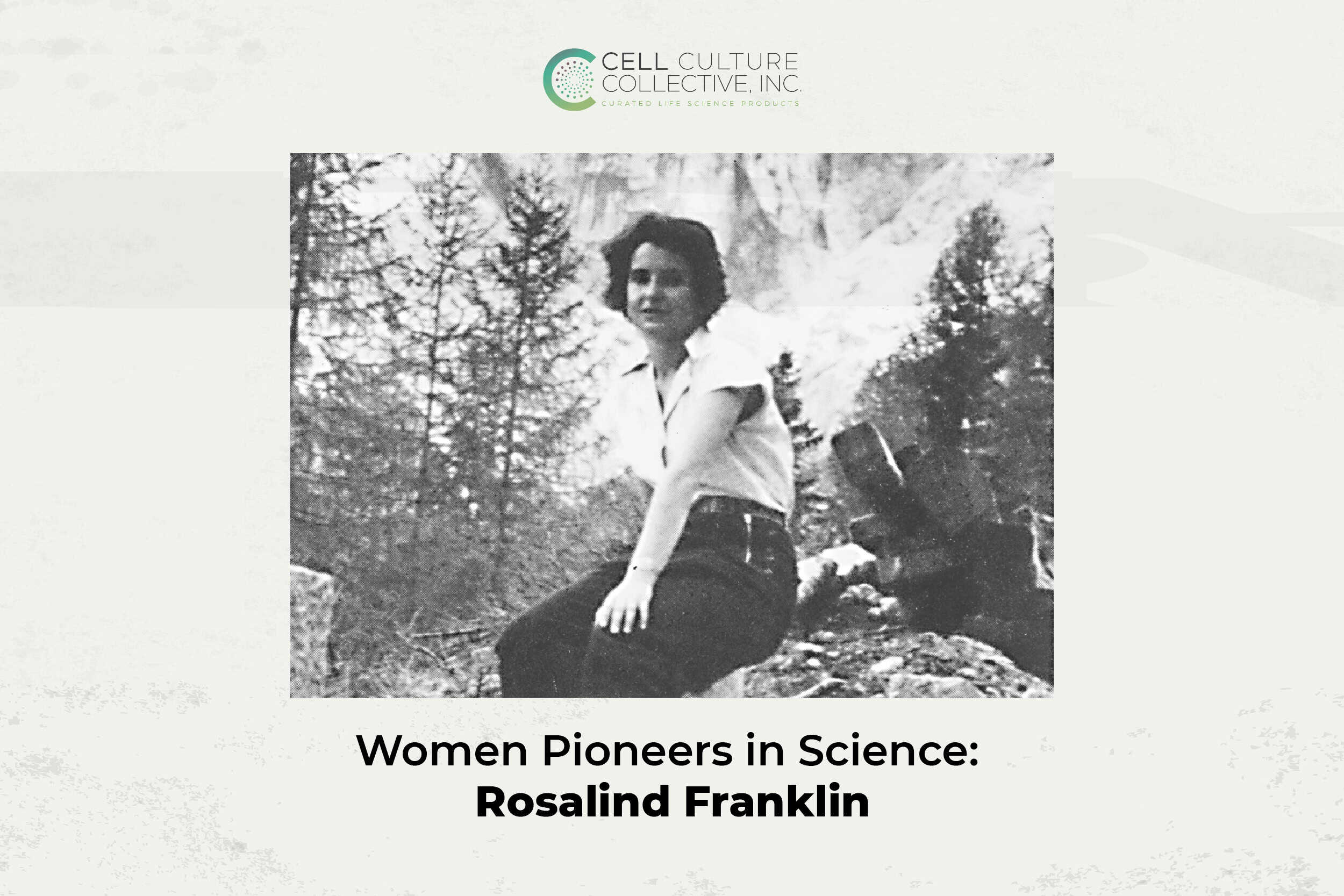
Long before the double helix became a symbol of modern biology, its shape remained an enigma. Scientists suspected DNA held the key to life’s code, but its structure was still out of reach. In a lab at King’s College London, Rosalind Franklin began a line of experiments that would change
Every lab experiment carries more than just scientific weight. It carries the pressure of deadlines, grant expectations, publication goals, and the simple but critical need for results that can be trusted. Yet all too often, experiments are compromised not because of a flawed hypothesis, but because of something much smaller;
Behind every successful experiment is a series of small, consistent choices and often, the most overlooked are the tools we use every day. In cell culture, even the best protocols and techniques can’t compensate for consumables that fall short on sterility, reliability, or performance. Contamination, variability, and unexpected failures rarely